

Key Highlights
- Global headline inflation is projected to rise from 4.1% in 2025 to 4.7% in 2026, primarily due to higher energy and food prices resulting from geopolitical developments in the Middle East, before moderating to 3.9% in 2027. India is expected to remain one of the world's fastest-growing major economies, with GDP growth projected at 6.4% in 2026 and 6.7% in 2027, supported by resilient private consumption and continued strength in the services sector.
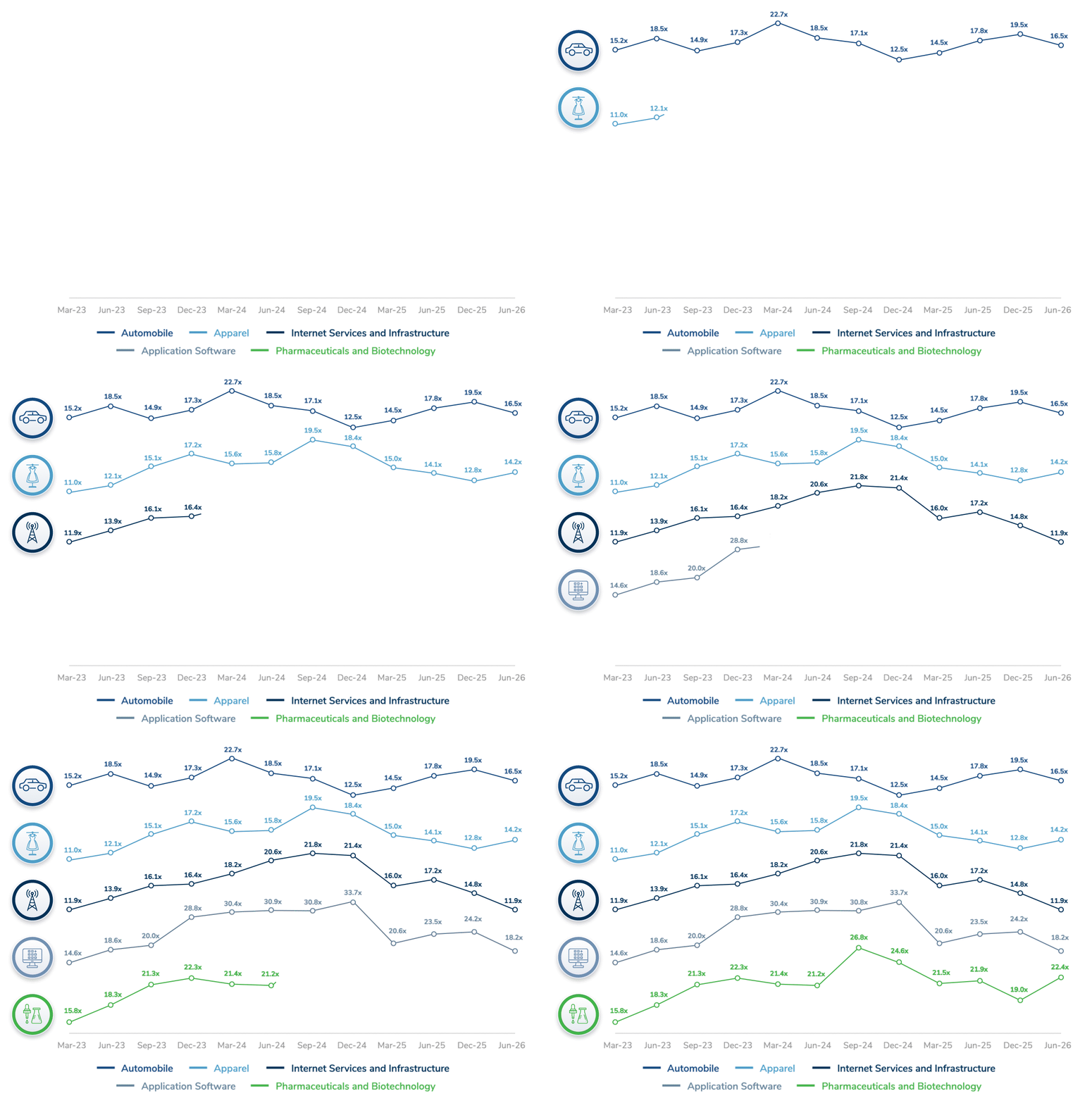
- Market capitalization of companies in the automobile industry declined by 8.0% between Q4 CY25 and Q2 CY26. According to market reports, investor sentiment was affected by concerns over margin pressures arising from higher input costs, crude oil price volatility and potential supply chain disruptions amid ongoing geopolitical uncertainties. Despite healthy underlying vehicle demand, investors remained cautious about the sector's near-term profitability outlook.
- Market capitalization of apparel companies increased by 6.1% between Q4 CY25 and Q2 CY26. Market reports attribute this performance to positive investor sentiment driven by India's expanding role in global apparel sourcing. The continued adoption of the China+1 strategy by global brands, favorable trade agreements, improving export prospects and expectations of higher order inflows strengthened the sector's growth outlook.
- Market capitalization of companies in the pharmaceuticals and biotechnology industry increased by 18.6% between Q4 CY25 and Q2 CY26. Market reports suggest investor confidence was supported by favorable growth expectations driven by increasing demand for chronic therapies, including diabetes and cardiac treatments, expanding opportunities in active pharmaceutical ingredients (APIs) and contract development and manufacturing organization (CDMO) services, continued momentum in GLP-1 therapies and specialty pharmaceuticals, strong export performance and supportive government initiatives.
- Market capitalization of companies declined by 17.1% in the Indian Internet Services and Infrastructure sector and by 19.6% in the Software sector, between Q4 CY25 and Q2 CY26. According to market commentary, investor sentiment was weighed down by concerns over the potential disruptive impact of generative AI on the traditional IT services business model. Expectations of increased automation, pressure on billing rates, a shift toward outcome-based pricing models and slower discretionary technology spending by global clients, particularly in the United States, contributed to weaker market performance.